




Successful farming through expert guidance
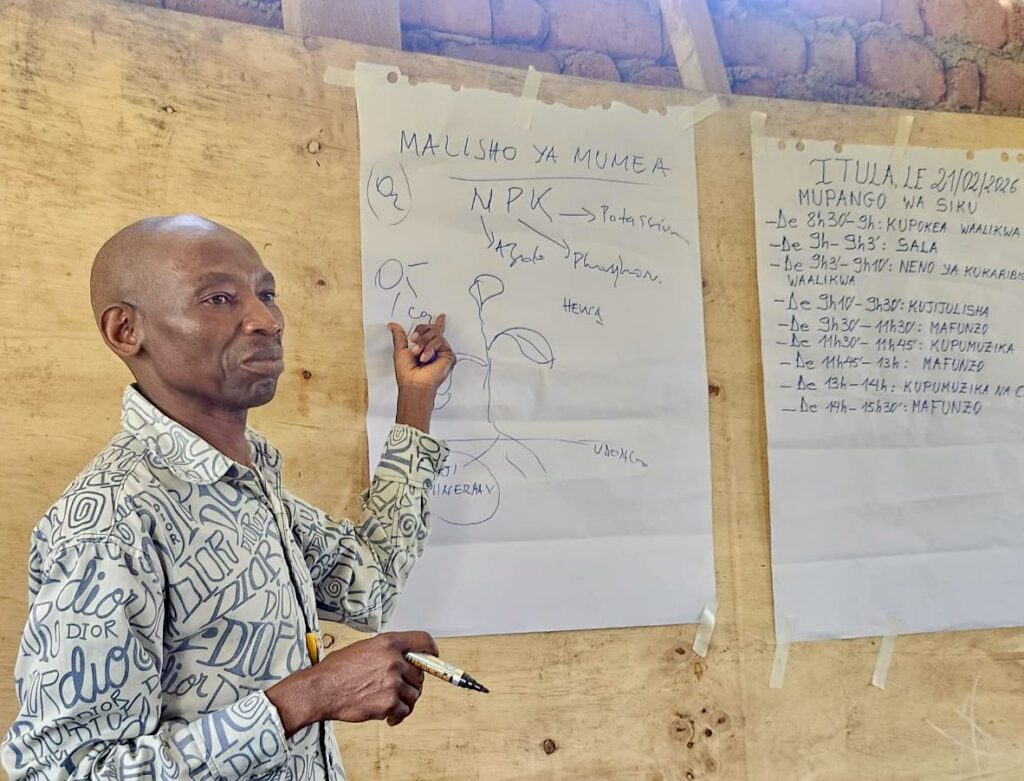
Knowledge that grows

Our agronomist Innocent MUKUNDA provides participants with the specialist knowledge they need for successful farming: how are plant growth, soil nutrition and plant protection linked – and what specifically is needed for good yields? With practical explanations and valuable tips, Innocent helps participants understand the natural interrelationships in the field.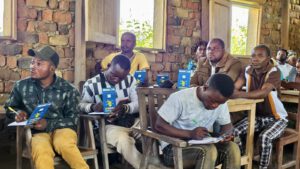
The participants‘ interest is palpably high – and that is precisely the basis for sustainable success. Only those who understand the interrelationships can farm responsibly and profitably in the long term. 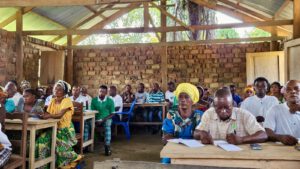 This knowledge not only strengthens the individual farmer, but also the entire project – today and for future generations.
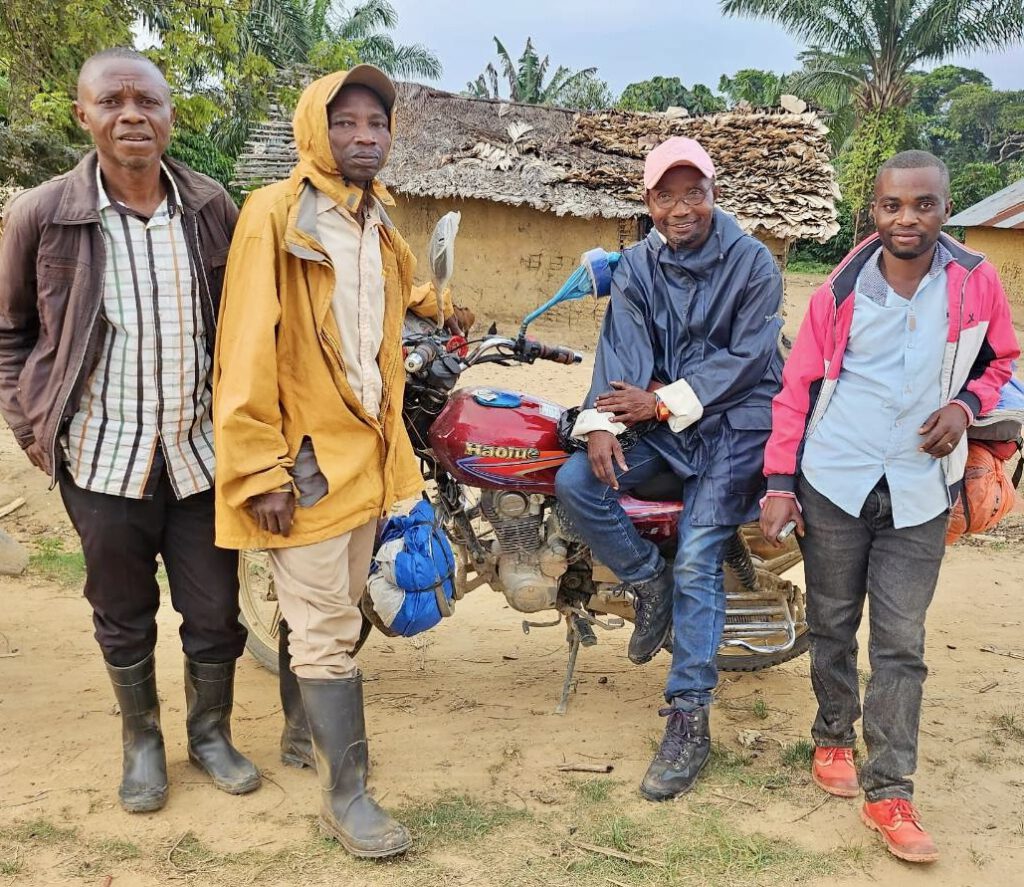
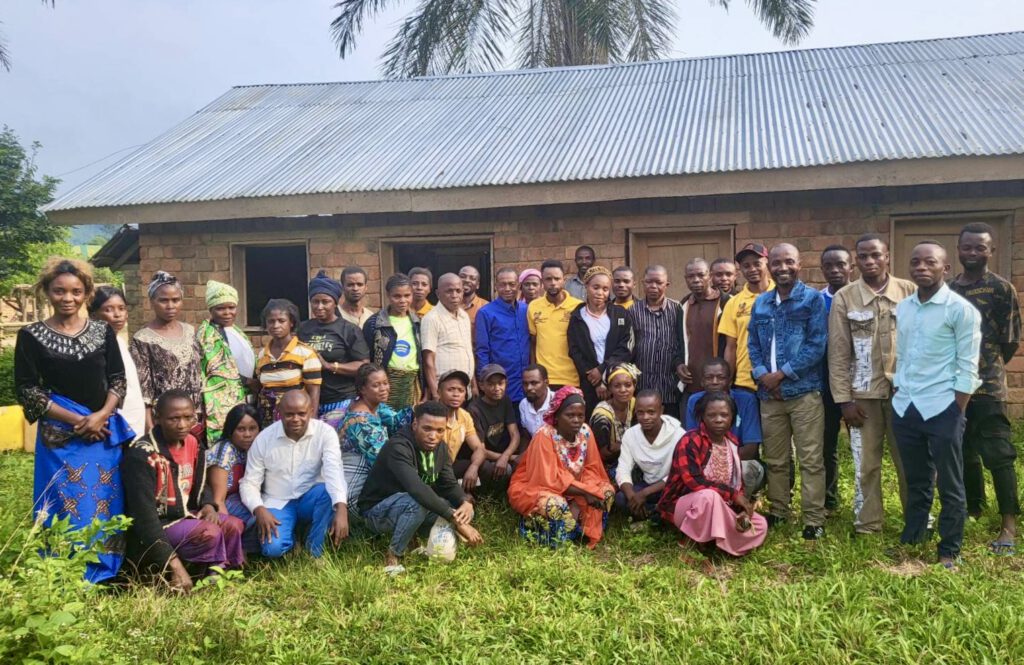
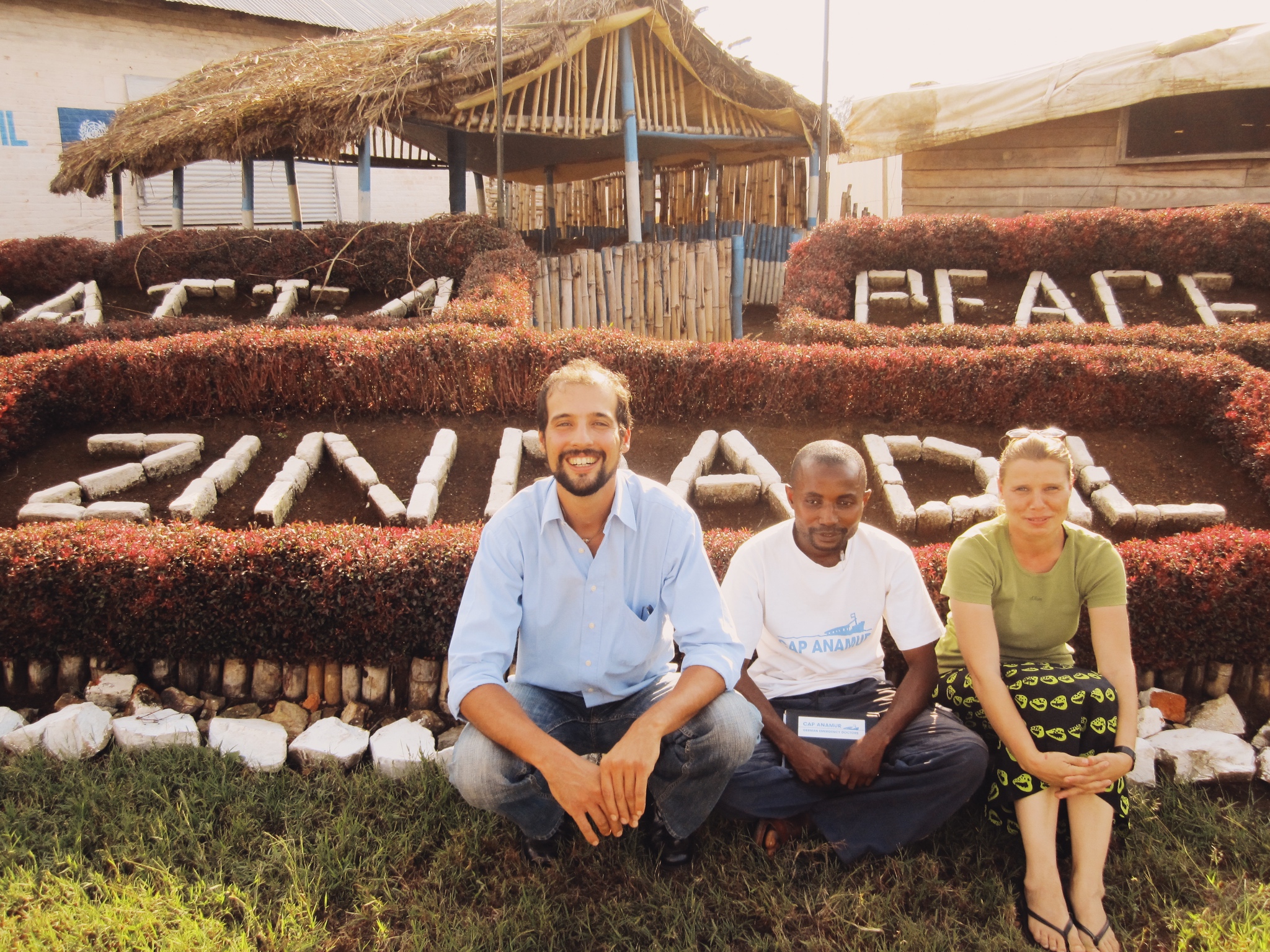
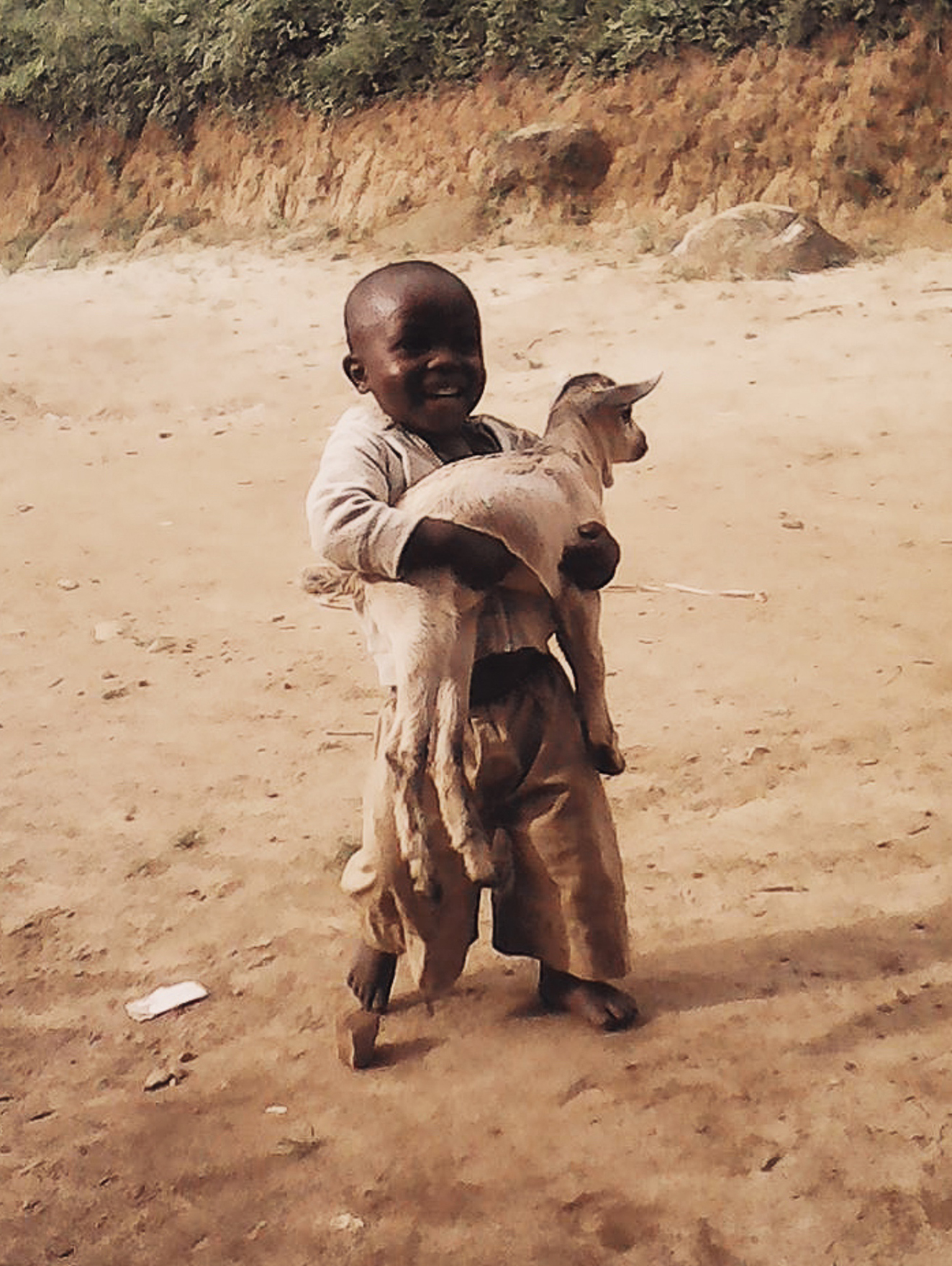
 Around 40 people took part in our introductory event in Itula, which was led by Hansen himself. The idea behind our projects is to support people in restarting their self-sufficiency, as the effects of the war can be felt everywhere. Many have been displaced and have lost their livelihoods and possessions. Food has become scarce due to looting and roadblocks, and prices have risen sharply as a result. Many can no longer afford an adequate and balanced diet – malnutrition is widespread, especially among children. We were therefore welcomed with gratitude and the participants are highly committed to the cause.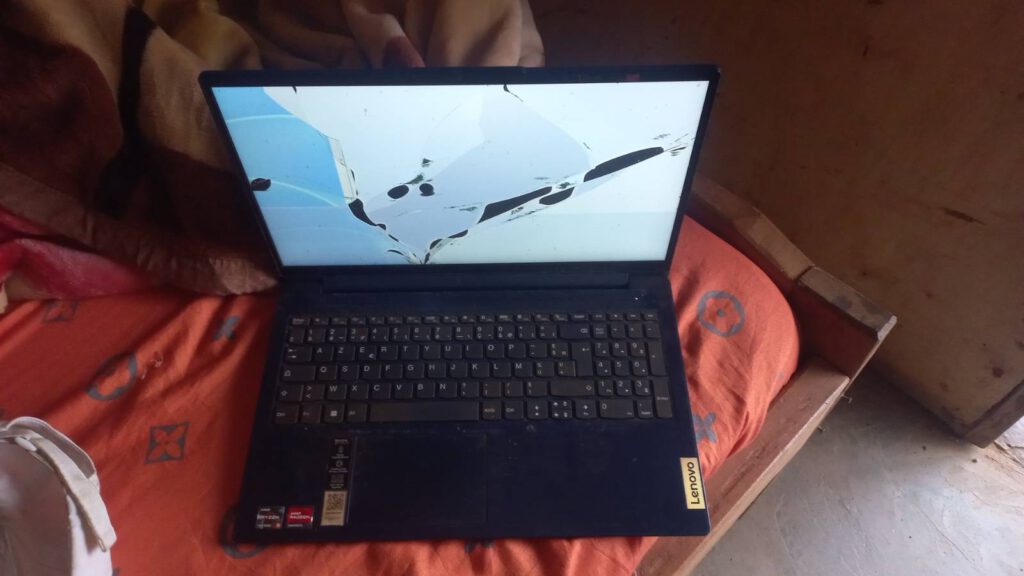
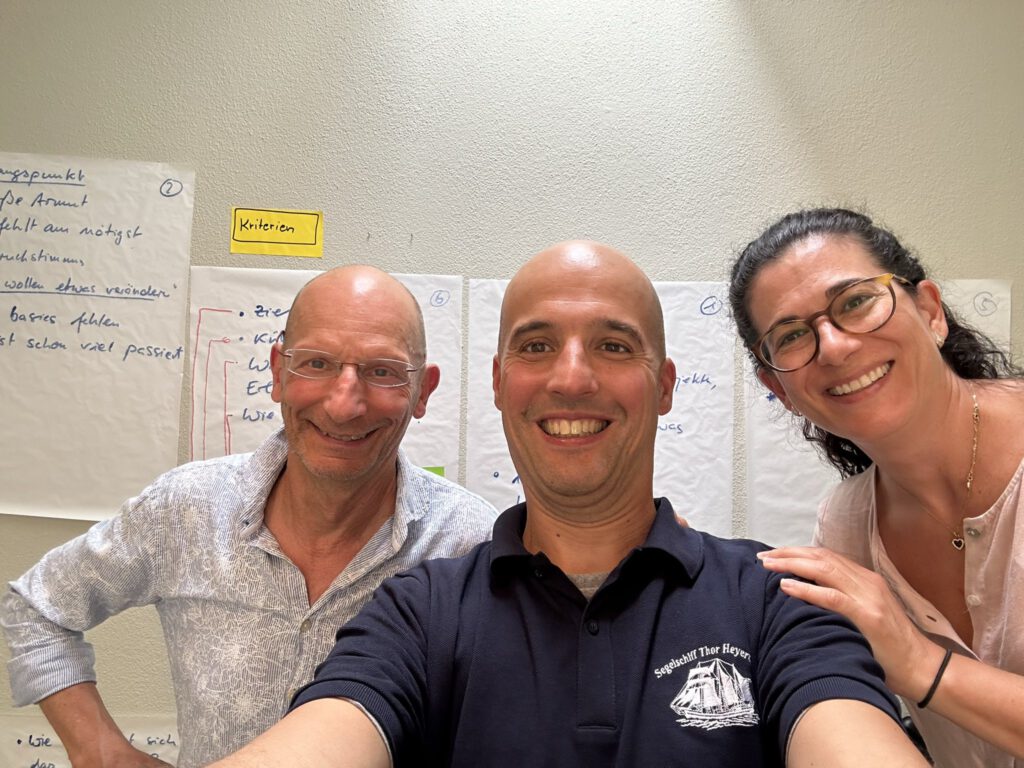
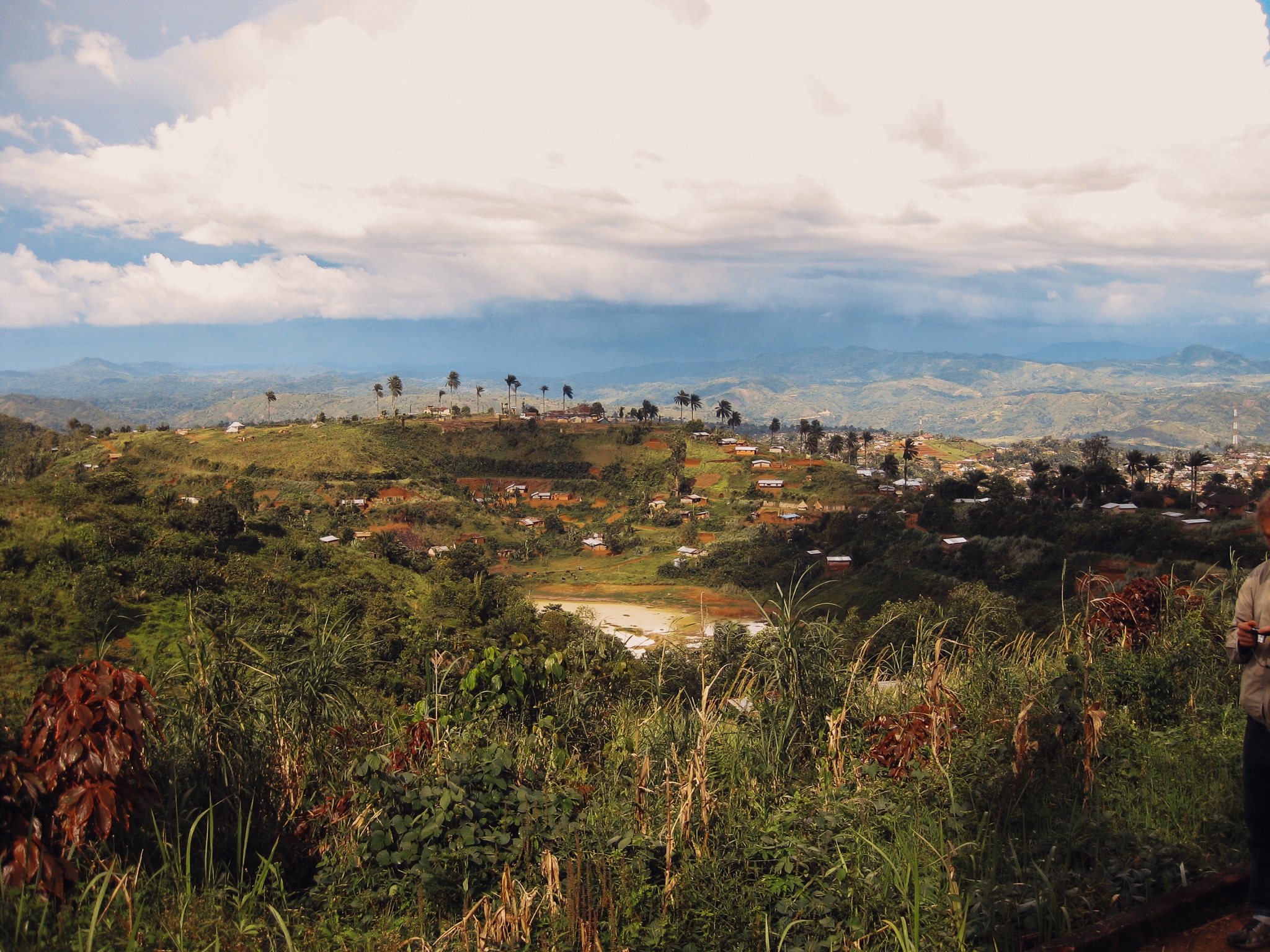
 The priority is to initiate further agricultural projects in the Kitutu region. We also want to see if we can help the Nyamibungu hospital repair its photovoltaic system. The husband of Esther, who heads one of our projects (see article ‘Women’s Power’), is the chief physician there and told Patrick about the defective system during his last project visit. The challenge will be to obtain the spare parts locally, as the system was donated many years ago by a Norwegian aid organisation. In addition, the financing of our school classes is firmly on the agenda again this year. We will keep you posted!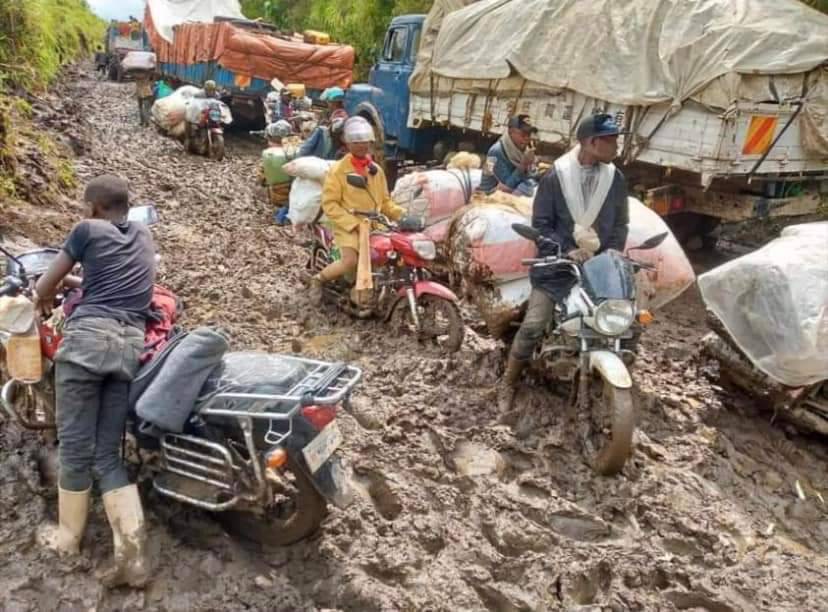
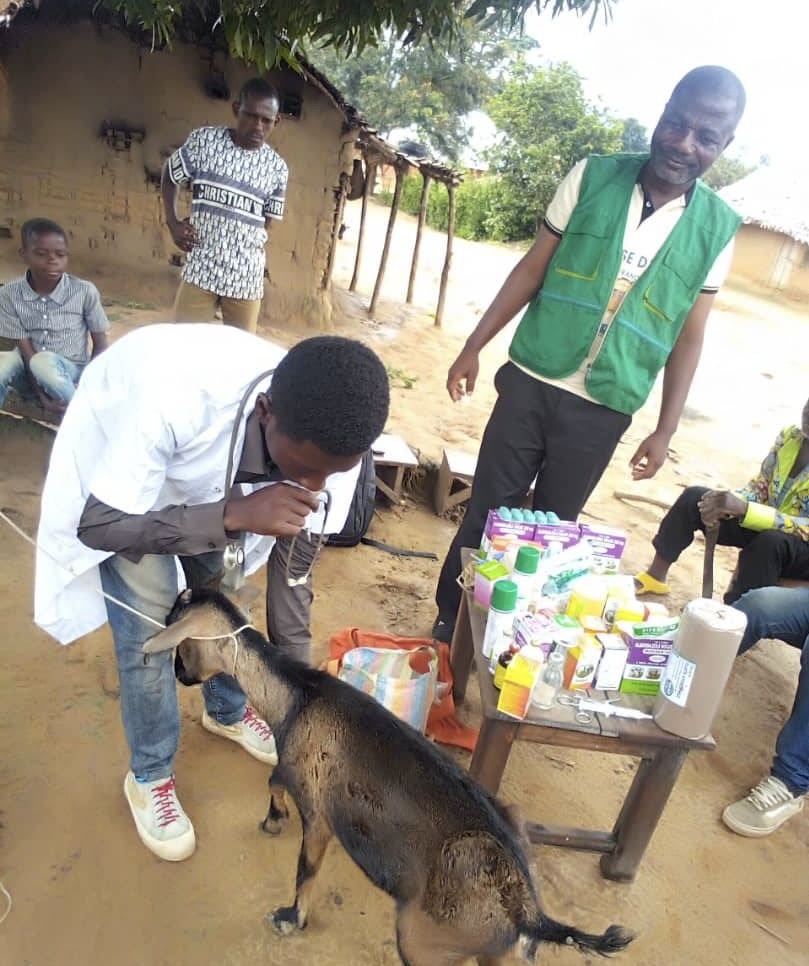
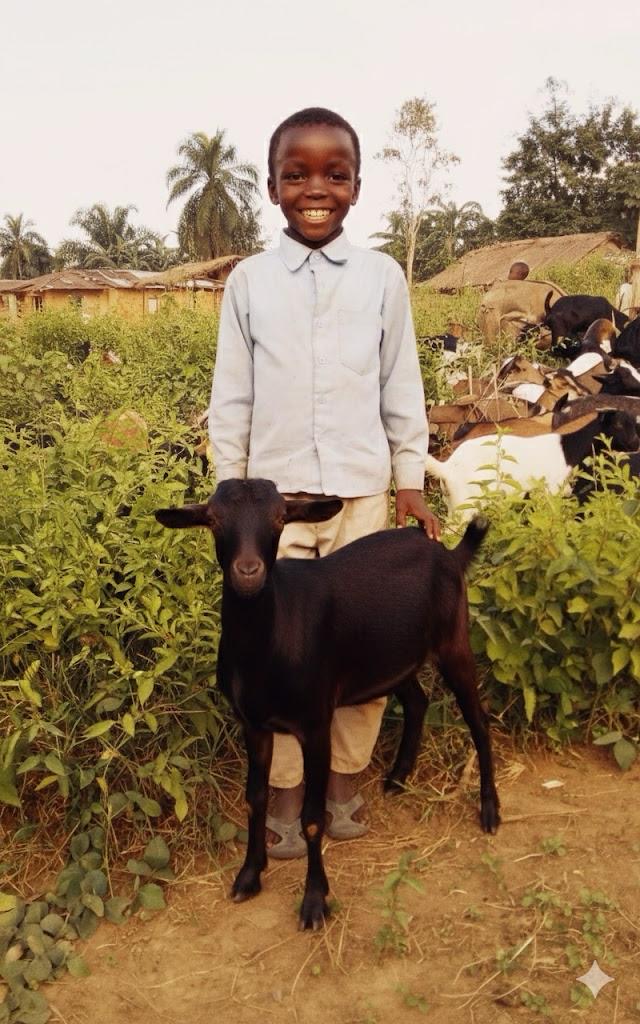
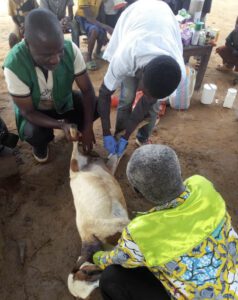 Esther’s project with the women from Nyamibungu was also on the list of projects we visited. Esther was very pleased with the visit and the progress made in healing. She reports that almost all the goats in her project are healthy again. We have instructed the vet once again to treat those animals that still show symptoms so that all the goats are healthy again and, above all, so that the disease cannot spread again.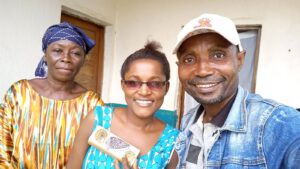
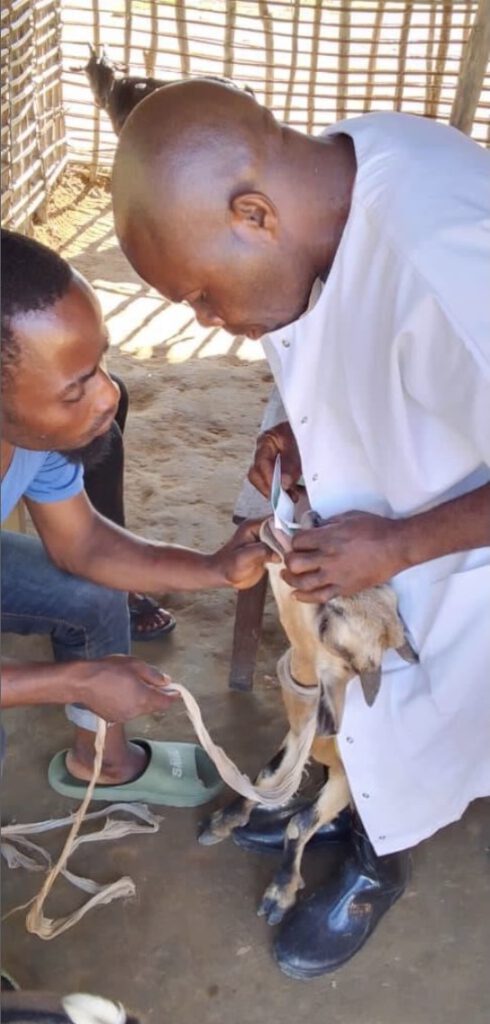
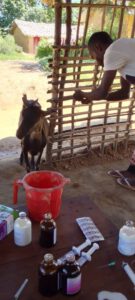 From the diagnosis of the diseases of the goats in the sometimes remote villages, to the preparation of the prescription for the medication, to the ordering of the same in a veterinary pharmacy in Bukavu 180km away (see the corresponding report), the collection there, the onward transport by lorry to our depot in Kamituga, the coordination of the treatment appointments in the individual projects, the renewed transport of the medicine by motorbike to our colleague René in Kitutu, 45km away, and from there to the individual project villages, a total of over four weeks have passed. All this is tedious – but rewarding!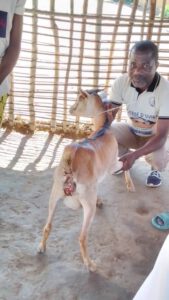
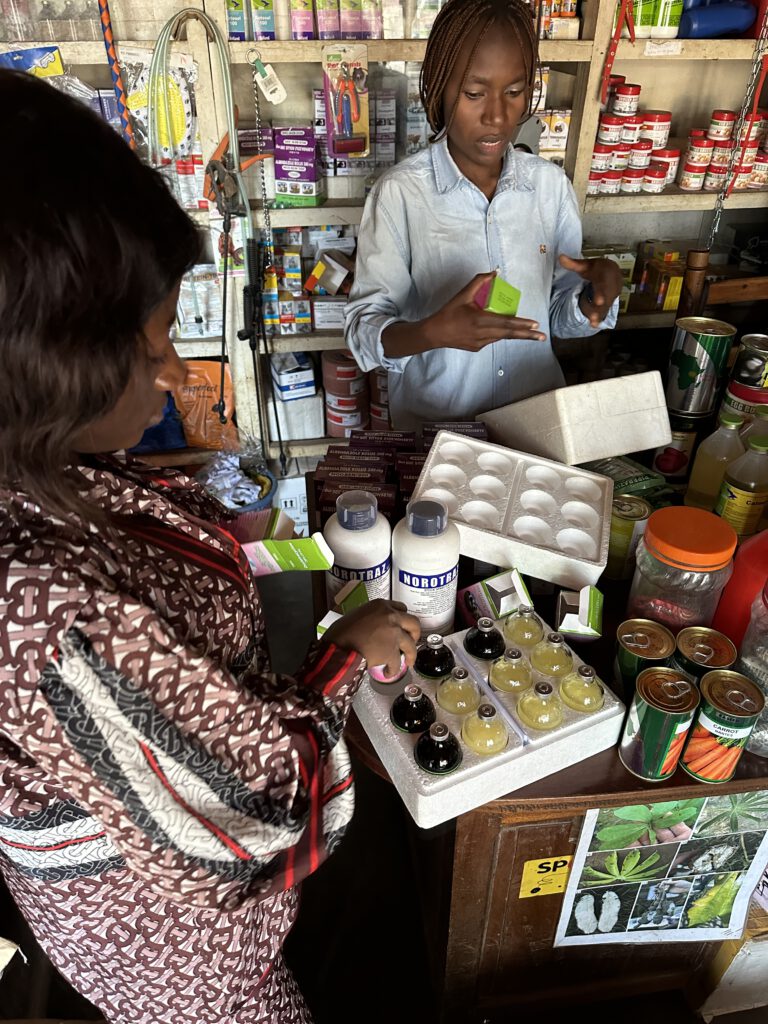
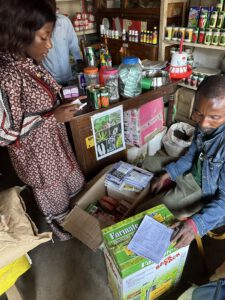 It added up to quite a lot: The purchase at the veterinary pharmacy cost almost $1000. Injection solutions, syringes, antibiotics – a bit of everything, according to the prescription the vet had written for René. We packed everything into a large cardboard box and then took it to a dispatch depot, from where the goods were transported to our warehouse in Kamituga on the next lorry (truck). From there, the medicines are then distributed to the individual projects and the vet appointments are coordinated.
 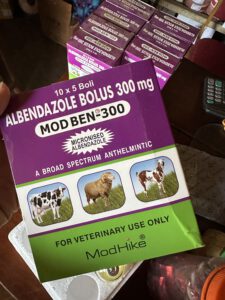 Hansen will then take the medicines by motorbike to our colleague René in Kitutu in the hinterland and he will accompany the vet to the individual villages and projects. It’s all time-consuming and tedious – but we’re glad that it’s possible at all, because when the conflicts here were even more drastic, many roads were impassable due to the risk of kidnapping. The region is more peaceful today – even though it still hasn’t completely calmed down.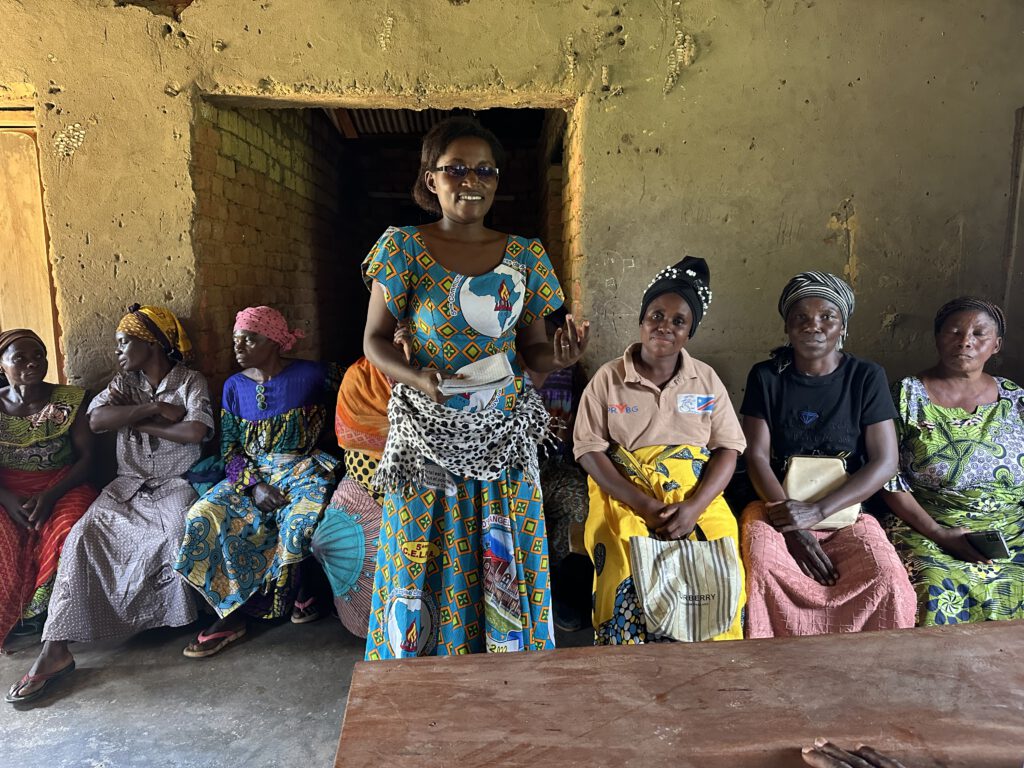
 No other meeting was anywhere near as well prepared and structured as today’s! The project manager Esther did an excellent job of preparing and organising everything! Really great! 👍🏿👍🏼 She reported a lot on the successes of the project work, but also clearly identified the problems and associated concerns of the women in the project. Hansen wrote everything down so that we can continue to support them effectively. The aim will be to effectively bundle the individual measures for the various projects, as many problems do not only affect this group but are also reported from other projects, such as the infections of the goats.
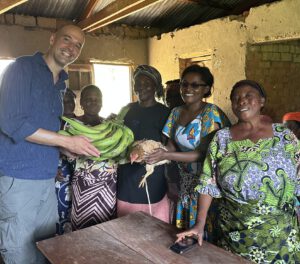 Esther says that the big international organisations all drive past to the big cities and concentrate their projects there. We were the first to stop, listen and provide pragmatic support.